

D2NIP Co., Ltd.
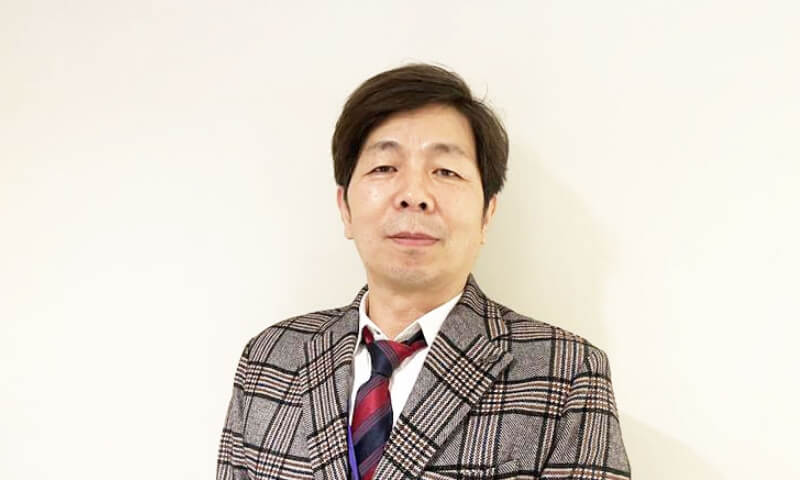
We had the pleasure of speaking directly with Mr. Kwangsu Kim, the CEO of D2NIP Inc.
Provides digital mental care platform services using AI for educational settings
QCould you explain your company's services?
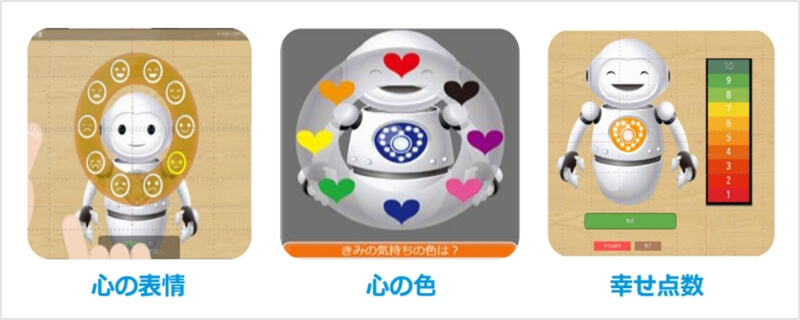
Our company offers a service called FEELBOT, which analyzes and predicts human emotions to provide solutions to problems faced by people. Our main product is an application platform, where users can input their emotions and thoughts on that day to AI-powered avatars modeled on characters. This system is designed to learn and analyze the user’s feelings, allowing it to engage in conversation and provide suitable solutions.
We are currently developing robots equipped with the same functionality and have begun trial services that allow people to easily interact directly with our robots.
QWhat was the background behind the launch of services by D2NIP?
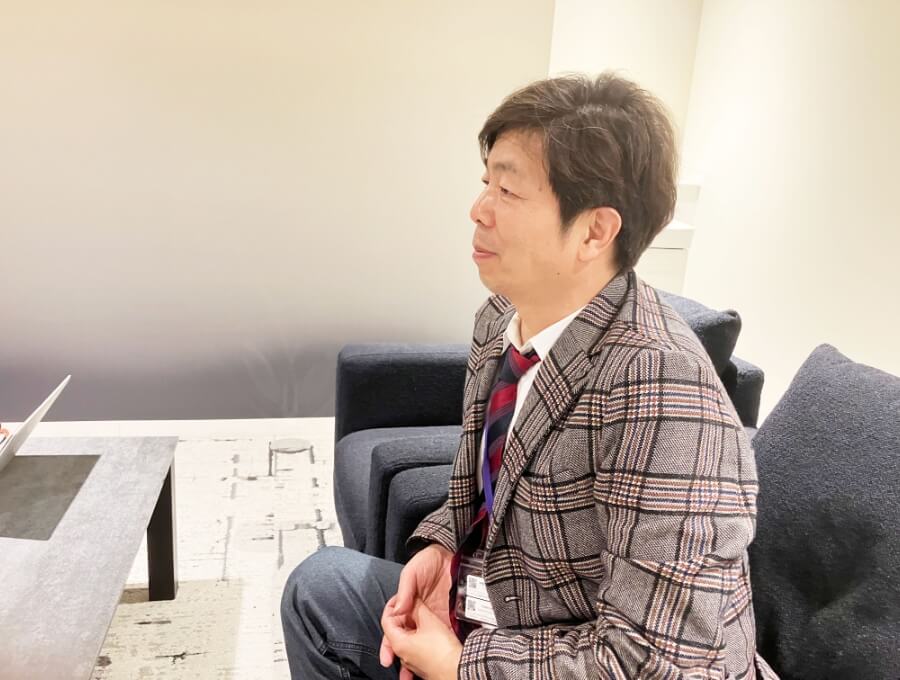 I am a former elementary school teacher with 18 years of experience in the field of education. I once had a student who consistently failed to complete their computer assignments. Although I repeatedly encouraged the student to get their work done, the situation did not improve. This left me troubled. However, at the time of that student’s graduation, I finally realized that the student was experiencing issues at home. Specifically, the student was restricted from using a computer and had been unable to do their homework. The student never felt comfortable telling me about their situation. At that time, I began to consider ways to help children who struggle emotionally but cannot express their feelings and ultimately become withdrawn. In addition to being a teacher, I had coding and related skills that allowed me to steadily develop my ideas. Eventually, I expanded my ideas into a full-fledged business. Stated simply, our service emerged from real problems encountered in schools.
QWhat are the unique strengths of services offered by D2NIP?
The emotion analysis by FEELBOT differs from facial expression analysis in similar services that use cameras. Instead, FEELBOT primarily analyzes emotions based on users’ input of their feelings directly into the device or entering emotion scores through simple button selections. At first glance, this method may seem outdated, but I believe it is important that the individual expresses their emotions through their own volition. The use of such software applications can facilitate the expression of thoughts, even for people who struggle to engage in direct interpersonal communication. Additionally, having these interactions with character avatars encourages easier dialogue. Our platform possesses tens of millions of research samples collected over more than a decade. This enables it to engage not only users’ surface emotions but also their deeper psychological states. Other users on the platform can also view this information. This enables schools, families, and friends to notice the information and provide appropriate support. The major strengths of our platform are the multi-layered analysis and visualization of emotions backed by big data. Another strength is how we leverage the characteristics of the platform to promote sharing with others.
QCould you tell us about case studies in Japan?
For example, our service was implemented in a collaborative project with an elementary school in Tokushima Prefecture. Over ten years ago, when D2NIP participated in an expo in Japan, a school from Tokushima Prefecture visited our booth. They recognized how our platform provides a service necessary for the educational field in Japan and promptly began the process of implementation. This became the catalyst for our company’s expansion into the Japanese market. Since then, after conducting numerous experiments over an extended period, the school has currently reduced student absenteeism by 66% following implementation of our platform. This is a remarkable achievement.
QHow do you view the Japanese market?
Many Japanese educators seem to feel a strong desire to provide emotional and psychological support to students. Indeed, this desire seems to be stronger than in other countries. I believe that Japanese educators place particular importance on the emotional development of students. I am confident that our services will provide great benefit in such an environment. I believe that an educational environment that supports students’ emotional well-being will ultimately foster individuals who contribute positively to the society of the future. With this in mind, I am committed to dedicating my efforts to building a strong foundation in the Japanese market.
QCould you please share your future plans?
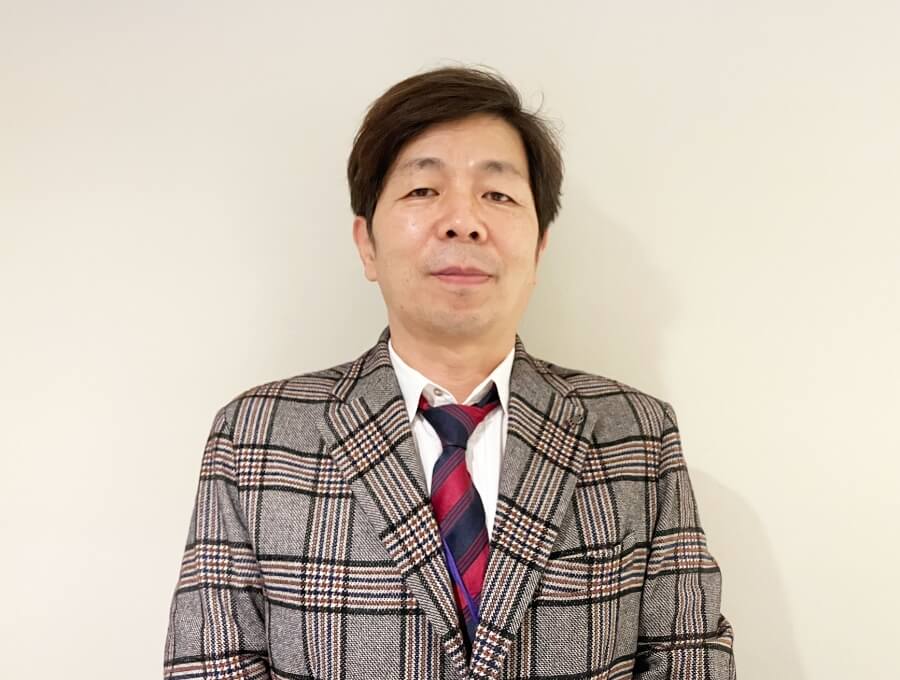 In addition to developing robots, D2NIP is currently introducing a new feature for recommending books that connect with the user’s emotions at that point in time. Literacy issues are recently attracting significant attention. I aim to provide an experience where users can engage with books and project themselves into the content as a means to reflect on their emotions and deepen their thoughts. Additionally, our emotion analysis technology is not limited to children. I believe it can also contribute to the mental health care of working adults. There are already companies in Japan that have begun trial implementation. I aim to further expand our services to become a partner that guides people of all ages, from children to adults, and supports the full spectrum of human emotions.
Case Studies

Overseas startups expanding into Tokyo
×
Tokyo companies
3-8-3 Marunouchi, Chiyoda-ku, Tokyo
Tokyo Innovation Base 1F
Square 1
